
How to Plan a School Admissions Video Shoot (Free Template)
Most school videos get filmed during the school day. Here's how to plan the schedule, interviews, media releases and setup time, plus a free planning template.
By Derick Pope, founder of High Arc Media
To plan a school admissions video, start with your school schedule, because most school videos get filmed during the school day. Decide how you'll use the video first. Then map the film day around your class schedule and the best parts of your curriculum, pick who goes on camera, write their interview questions, and send media release notices to parents a week or two ahead. Give the crew 60 to 90 minutes of setup time, and put every interview in one quiet room.
Most of what makes a school video work happens before my crew ever pulls into the parking lot. A principal or admissions director who knows the building and plans the day well gets a better video than one who hands the crew a campus map and hopes for the best.
This is how I'd plan it if I were on your side of the table. It's written so you can hand it to your front office and run the day from it.
When should you film a school video?
During school hours. In my experience, about 95% of school video shoots happen during the school day. It's very rare that a school has the budget or the capacity to bring in teachers and cast students outside of school hours.
So the school day is your set, and you have to plan around it. Do the homework first:
- Pull your school schedule and every teacher's schedule.
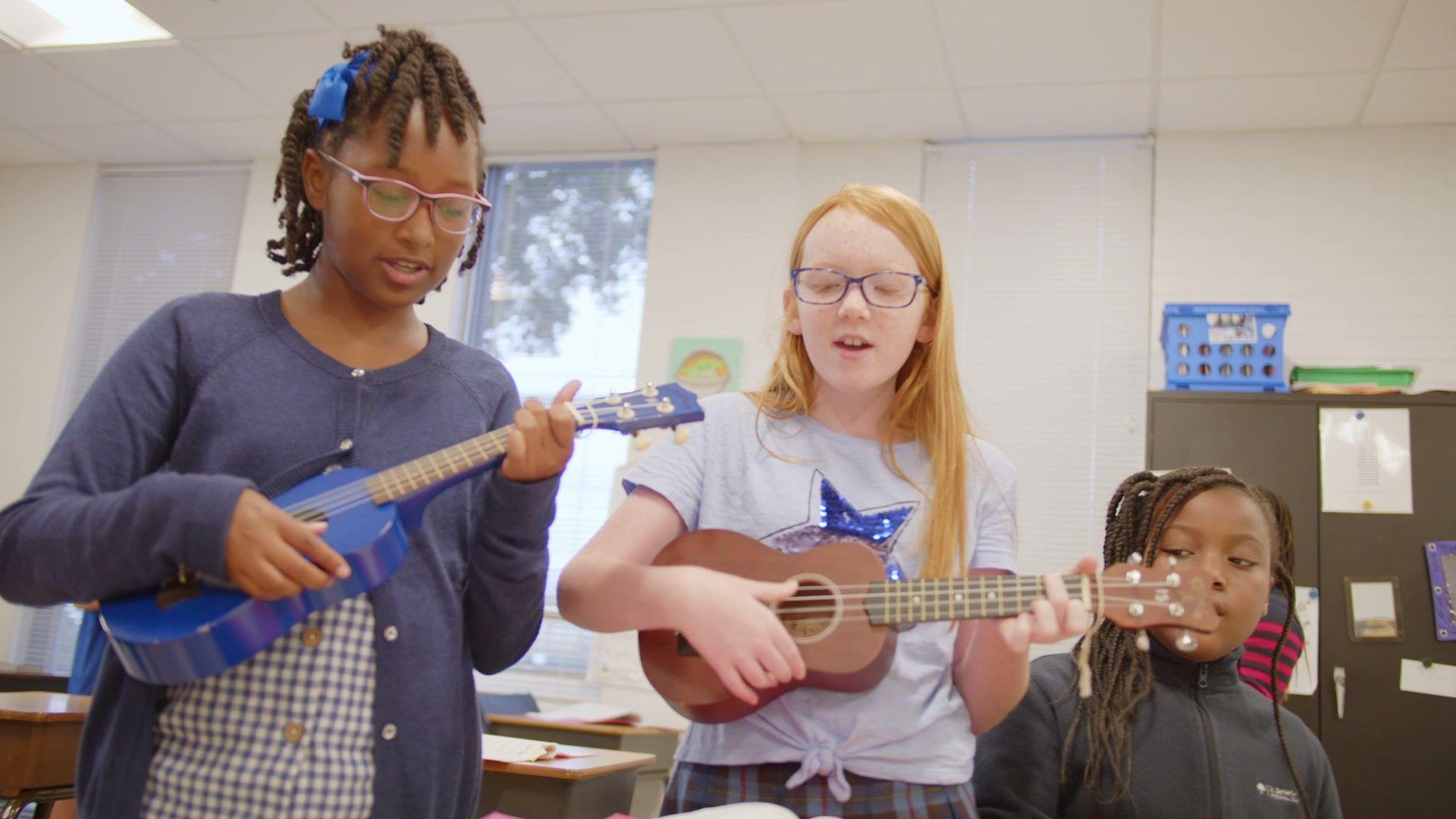
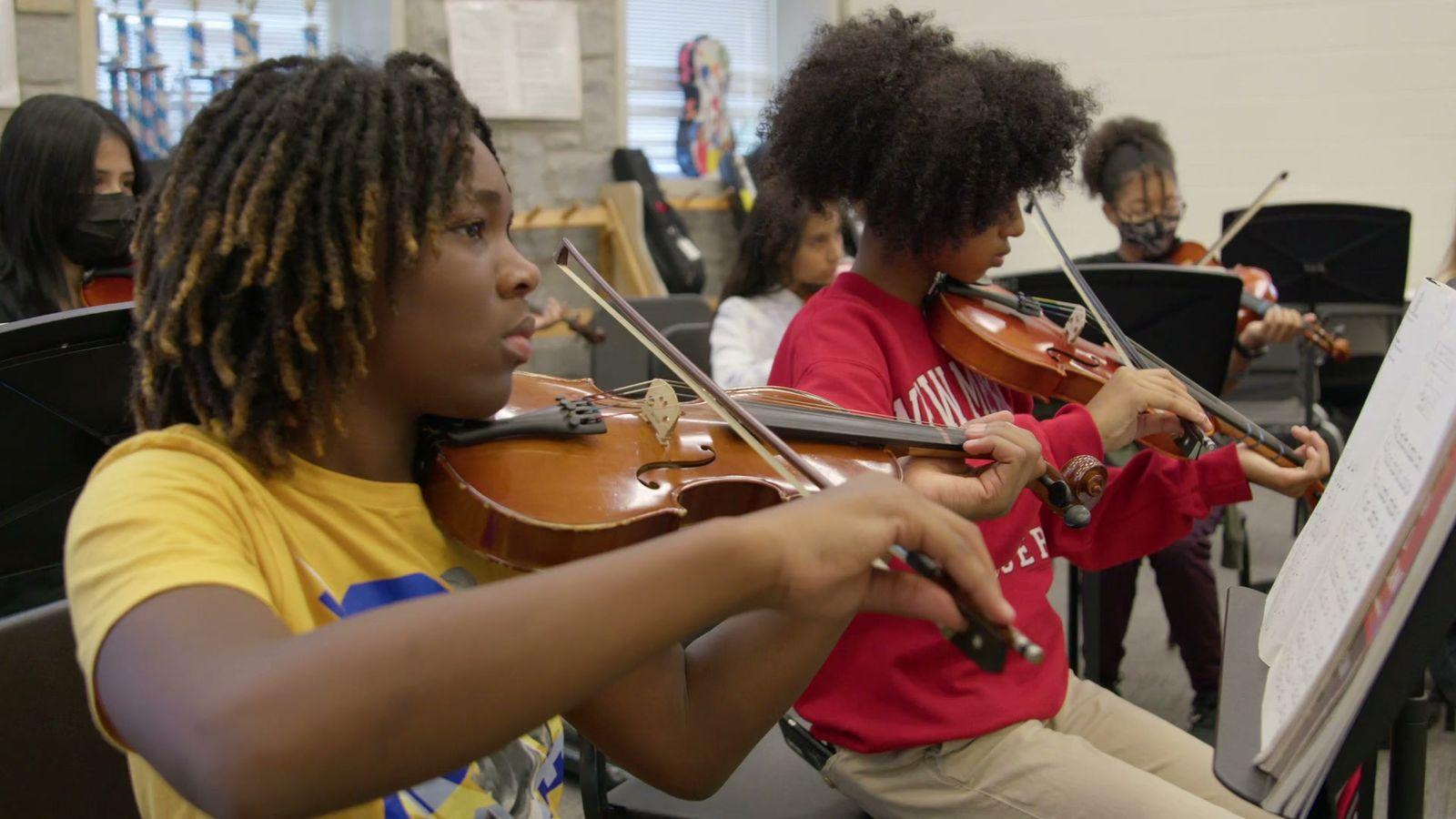
- Find the most interesting parts of your curriculum and when they happen. Music, art, a guest reader or reading groups give the camera something to see.
- Map out where the crew needs to be and when, with time to walk between rooms.
If a class is taking a quiz at 10 a.m., the camera shouldn't be there at 10 a.m. The schedule tells you where the good footage is.
How will you use the video?
Know this before you film anything. Are you doing a PR run? Sending it out in emails? Running digital ads or streaming ads? The type of video you're making shapes what gets planned and how it gets cut.
The planning docs I work from list every place the video could end up:
- Your website
- Email and admissions communications
- Social media
- The school newsletter
- Digital advertising
- Presentations and event screens
A 2-minute overview for your homepage and a short ad for social are planned differently, so decide early. The admissions videos in one recent private school series each targeted 2 minutes. And if you want social clips, tell the crew now so they capture vertical footage too.
ACCA in Action, 0:53, cut for social
Sutton Middle School, 3:34, school feature
What goes in a school video planning doc?
On that private school's admissions series, every video started from one planning doc. It covered:
- The recording date, project type, video focus, goal, primary audience, length and tone
- The primary call to action
- A weather backup plan
- Distribution channels
- The shoot-day schedule and the editing timeline
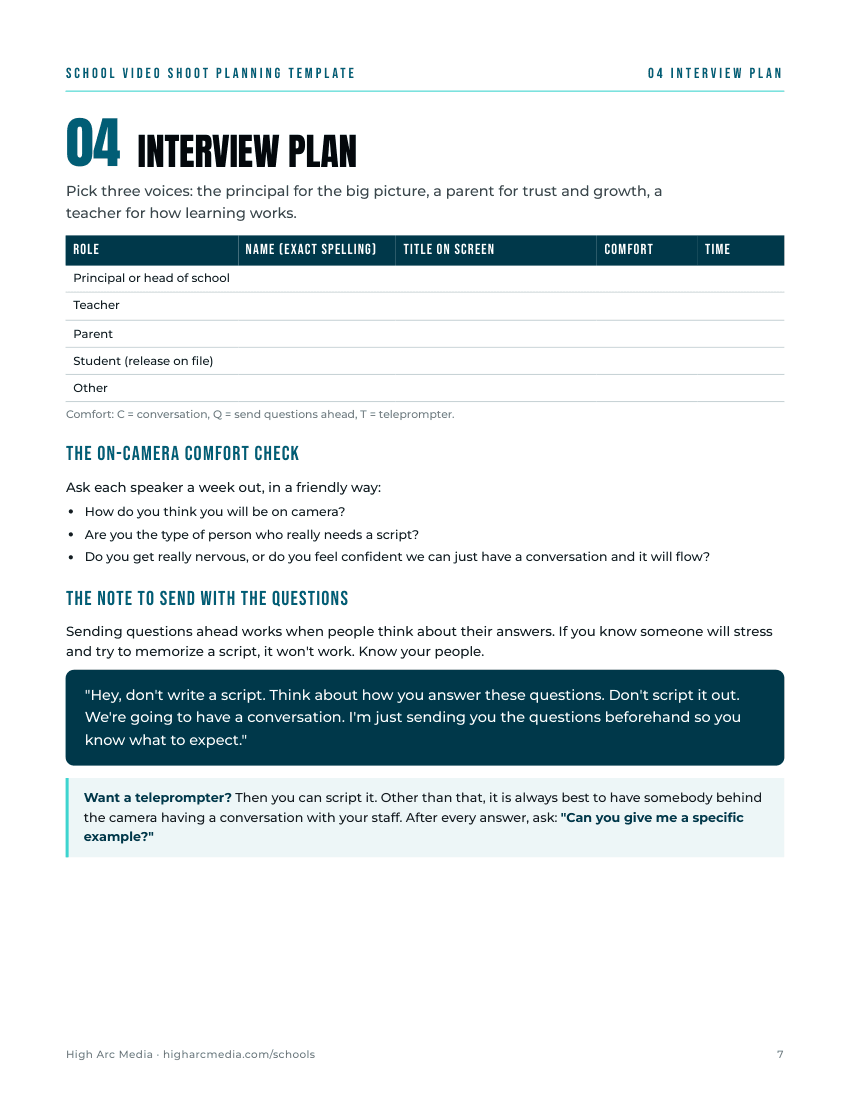
- Every person on camera, with their exact name and title
- Interview questions for each person
- A storyboard with the time, the story beat and the suggested speaker
- A priority shot list
- Graphics and on-screen text, including the final screen with your school's name, call to action and URL
- Production notes
It looks like a lot. Most items are one line each, and filling it out forces the decisions you'd otherwise be making on the day while the crew waits.
Who should be on camera, and what should you ask them?
Write 3 core questions for each person, plus 2 or 3 extras. Follow every one with the same question: "Can you give me a specific example?"
That follow-up does more work than any question on the list. A general answer sounds like a brochure. A specific example sounds like your school.
Then map the finished video before you film it. Break it into beats of 10 to 20 seconds and decide who delivers each one. On that series, the principal gave the big picture, a parent spoke to trust and growth, and a teacher explained how learning works in the classroom.
 Principal
 Teacher
 Parent
Now you know which interview has to land which line. If the parent interview wraps and nobody talked about trust, you'll catch it while everyone's still in the room.
Should teachers get the interview questions ahead of time?
It depends on the person, so you have to know your staff. Before the film day, ask the friendly questions:
- Hey, how do you think you'll be on camera?
- Are you the type of person that really needs a script?
- Do you get really nervous, or do you feel confident that we can just have a conversation and it'll flow?
The people who are fine having a conversation usually produce better content than the people who feel so nervous they have to script everything.
I don't love sending questions beforehand, because people tend to study in the mirror and overdo it. But sometimes you can send people the questions, and they think about their answers, which is great. That's ideally how you want it to go. If you know someone will stress and try to memorize a script, it won't work.
When you do send them, send this message with them:
"Hey, don't write a script. Think about how you'd answer these questions, but don't script it out. We're going to have a conversation. I'm just sending you the questions beforehand so you know what to expect."
That's the best way to get it done. If someone wants a teleprompter, you can script their part. Other than that, it's always best to have somebody behind the camera having a conversation with your staff.
ACCA testimonial, 1:03
Do you need media releases for students?
Yes. Get media releases and ask your parents. Start a week or two ahead so you can send the message out and let families know you're looking to film. If they don't want their kids on camera, they should let you know.
Then give that list to your production team before filming starts. It's a lot easier to plan around a student than to cut them out of a finished video.
How much setup time does a film crew need?
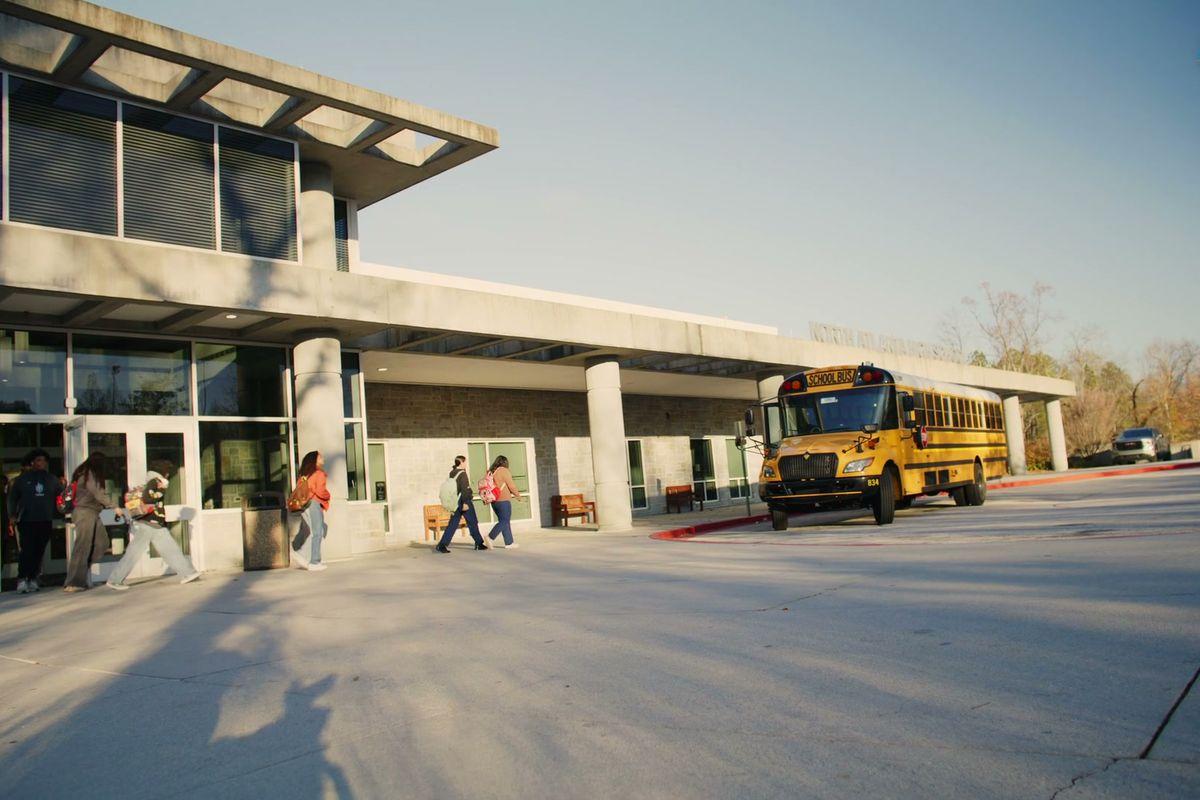
Give the crew at least 60 to 90 minutes of setup time before the first thing you need filmed. That covers traffic, parking and viewing the campus, especially if it's your first time working with that production company.
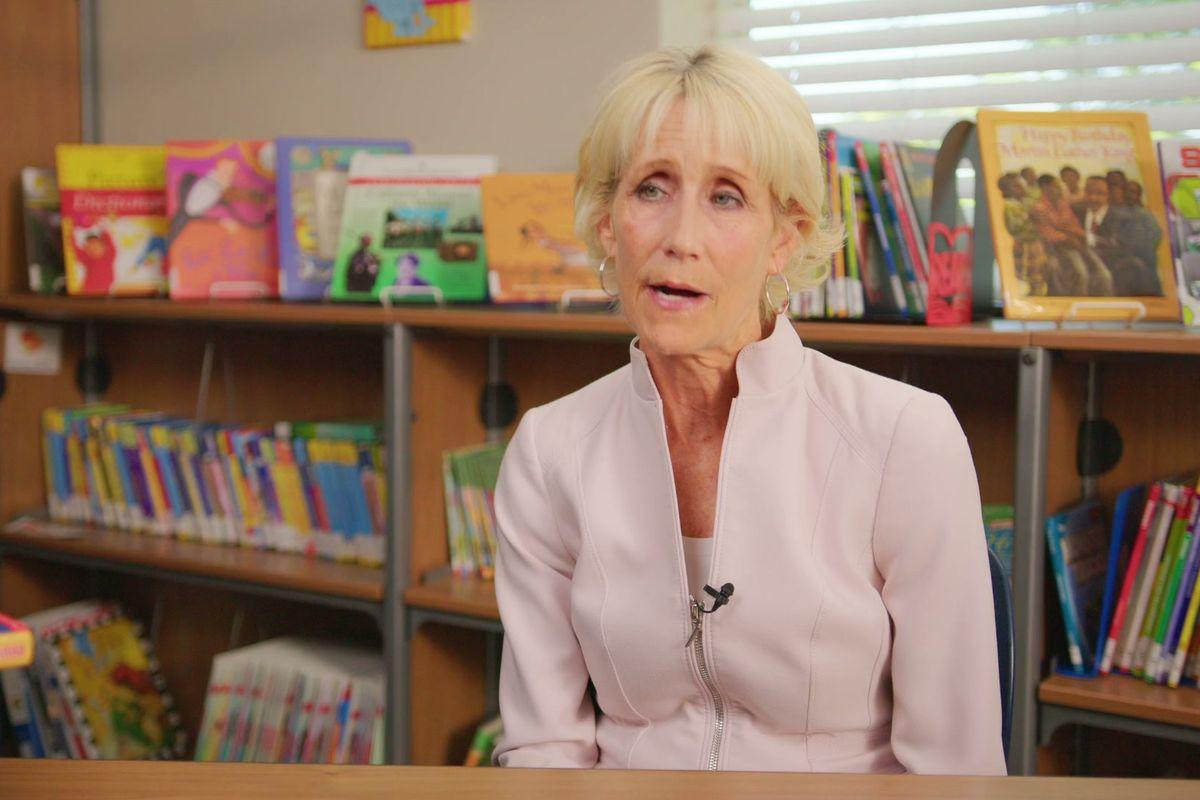
Interviews need their own setup on top of that. Getting camera and audio right in a classroom or an office takes time. On a four-hour school film day, we blocked 45 minutes for camera and audio setup before the first interview.
How do you build the shoot-day schedule?
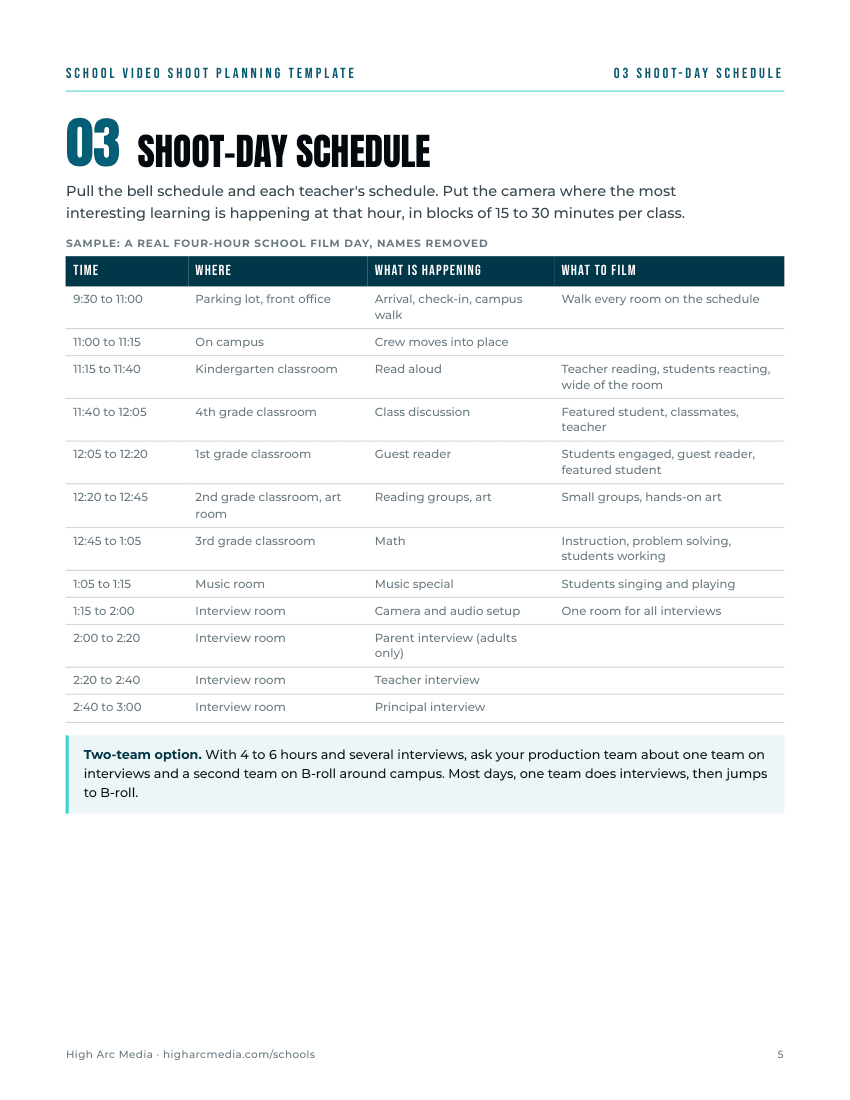
Here's a real one. A private school's admissions film day ran four hours:
- B-roll first, moving class to class in blocks of 15 to 30 minutes. Each block was planned around what that class was doing at that time: a read aloud, math, reading groups, music, art, a guest reader, recess and lunch.
- A 45-minute camera and audio setup in one quiet room.
- Three 20-minute interviews back to back in that same room. A parent went first, then a teacher, then the principal. The parent interview was adults only.
Every B-roll block had a reason to be on the list. And because all three interviews happened in one room, the crew set up once instead of three times.
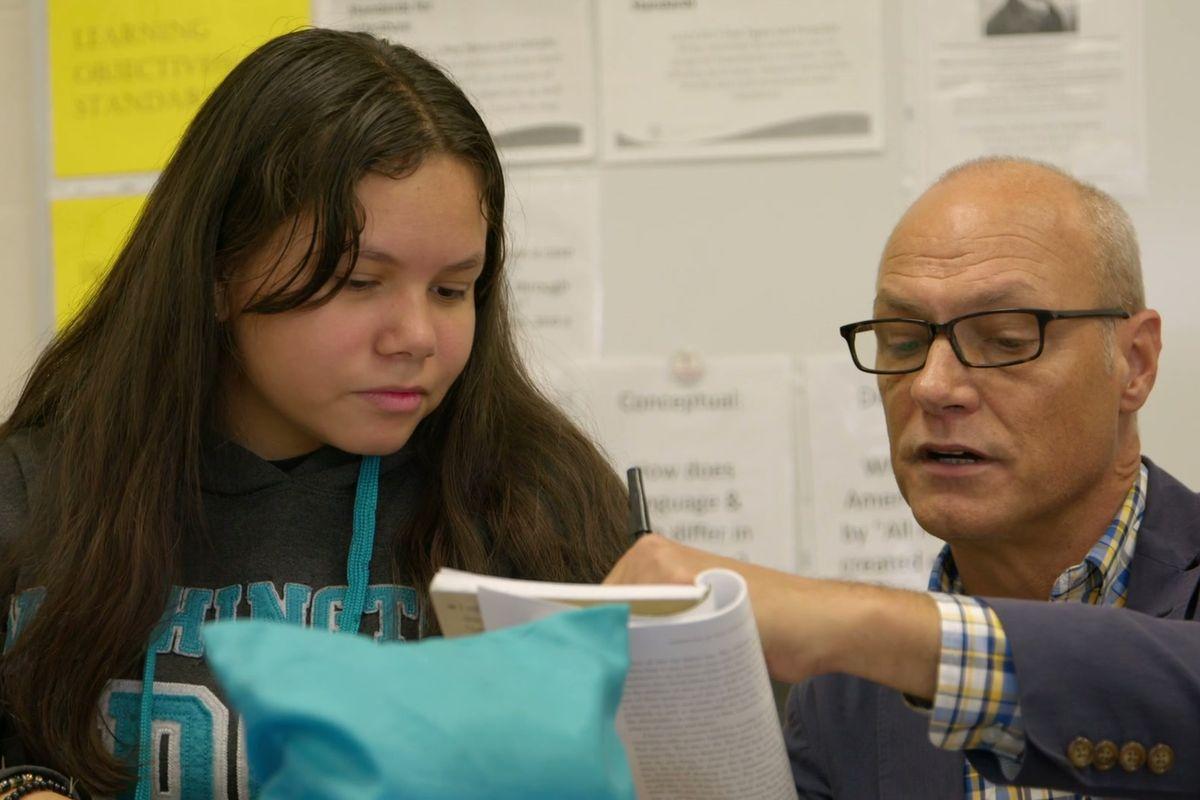
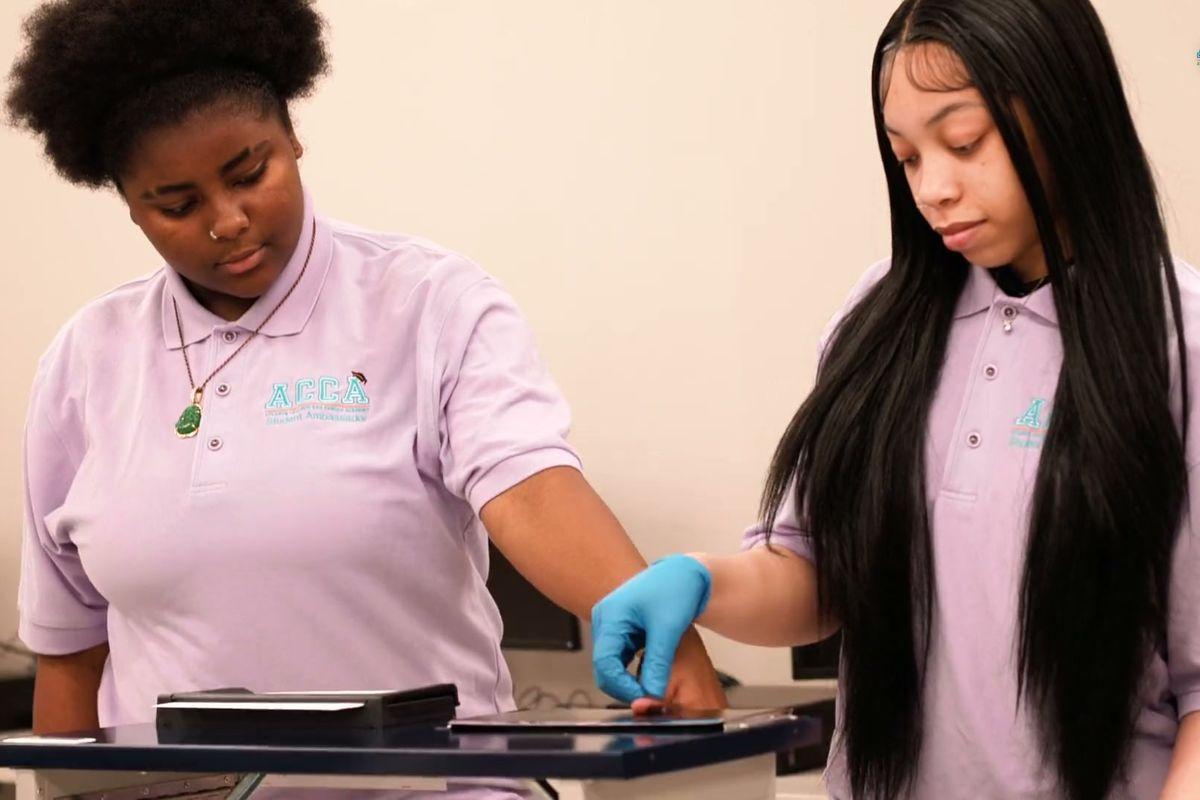

Plan for weather too. Keep most of the footage indoors so rain doesn't stop the day. If it rains, swap the outdoor B-roll for more classroom footage.
You don't have to start from a blank page. Get the free School Video Shoot Planning Template below and fill in your own day.
What if you only have four to six hours?
Talk to your production team about splitting up. If time is really tight and you have multiple things going on, like several interviews, ask if they can run an interview team and a B-roll team. One captures interviews while the other captures B-roll around the school.
For the most part, the same team can do the interviews and then jump to B-roll. That's how the four-hour day above worked. Depending on your schedule and your school, though, you may need two leads capturing both. Ask early, because it affects your budget.
What should you confirm before filming?
These are the production notes from that same series. Run through them before the crew arrives:
- Confirm every name and title before recording.
- Check the spelling of all on-screen text.
- Capture room tone at each interview location. That's a short recording of the quiet room, and the editor uses it to smooth out cuts.
- Leave a few seconds before and after each answer, so the editor has room to cut.
- Capture vertical footage too if you need social clips.
- Confirm all releases and permissions.
- Lock the final call to action, URL and dates before editing starts.
Lock that last one early. If the URL on the final screen changes after the edit is done, you spend a revision on it.
How long does editing take?
Build your launch date backward. Here's the timeline from that admissions series:
| Milestone | Timing |
|---|---|
| First draft | About 9 days after the film day |
| Revisions | About a week apart |
| Final file handed over | About 4 weeks after the film day |
| Launch | About 6 weeks after the film day |
So if you need the video live by a certain date, like an open house, film about six weeks before it.
Plan your school video with High Arc Media
At High Arc Media, we make admissions and promotional videos for schools. We work with schools in all major cities and travel to other cities as needed.
When we made video and content for ACCA, a career academy, that answered what families actually ask, applications grew 563%. That was 1,340 applications in five months, and admissions sold out with a waitlist. See the ACCA results.
You can see how we work with schools on our schools page and our school video production page. Or tell us about your school, and we'll help you plan the day.
Questions schools ask
When should a school film its admissions video?
During school hours, in most cases. In High Arc Media's experience, about 95% of school video shoots happen during the school day, because few schools have the budget or capacity to bring teachers and cast students back after hours. Pull your school schedule and your teachers' schedules, then plan the day around the most interesting parts of your curriculum.
How far ahead should a school start planning a video shoot?
Start a week or two before the film day. That gives you time to message parents, let them know you're planning to film, and hear back from families who don't want their kids on camera. Use the same window to build the shoot-day schedule, confirm the names and titles of everyone being interviewed, and send interview questions to the staff who will do well with them.
How much setup time does a film crew need at a school?
Plan for 60 to 90 minutes of setup time before the first thing you need filmed. That covers traffic, parking and viewing the campus, especially on a first project with a new production company. Interviews need their own setup too. On one four-hour school film day, the schedule blocked 45 minutes for camera and audio setup before three back-to-back interviews.
Should teachers get the interview questions before the film day?
Usually, as long as they use them to think and not to memorize. Tell them not to write a script, to think about how they'd answer, and to expect a conversation. Some people study in the mirror and overdo it, so know your staff first. People who are comfortable having a conversation usually give better answers than people reading a script.
Do you need media releases to film students?
Yes. Get media releases and confirm permissions for every student who could end up on camera. Send the message to parents a week or two before the film day, tell them you're planning to film, and ask families who don't want their child on camera to let you know. Then share that list with your production team before filming starts.
Can you film a school admissions video in four to six hours?
Yes. One admissions film day ran four hours: B-roll moving class to class in 15 to 30 minute blocks, a 45-minute camera and audio setup, then three 20-minute interviews back to back in one quiet room. If you have several interviews and a tight window, ask the production team about running an interview team and a B-roll team at the same time.
How long does it take to edit a school admissions video?
On one school's admissions video series, the first draft came about 9 days after the film day, revisions ran about a week apart, the final file was handed over about 4 weeks after filming, and the video launched about 6 weeks after. Each video targeted 2 minutes. Work backward from your launch date so you film early enough.
Want us to film it?
If you would like to work with us, we would love to. We film schools in every major city and travel anywhere else you need us.